Neuroplasticity: The Window of Opportunity
নিউরোপ্লাস্টিসিটি: সুযোগের জানালা
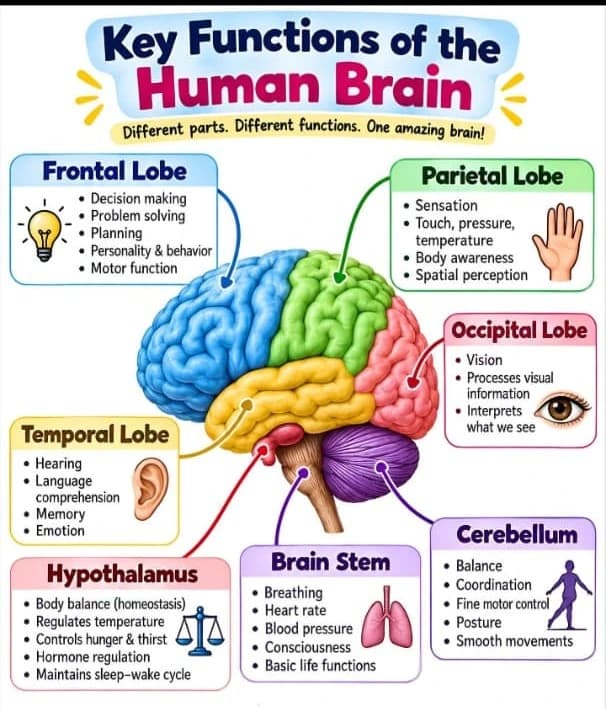
After a stroke, the brain forms new neural pathways to take over the functions of damaged areas. This process — neuroplasticity — is most active in the first three to six months, making early, consistent physiotherapy one of the most powerful predictors of recovery.
স্ট্রোকের পর মস্তিষ্ক ক্ষতিগ্রস্ত অংশের কাজ গ্রহণের জন্য নতুন নিউরাল পথ তৈরি করে। এই প্রক্রিয়া — নিউরোপ্লাস্টিসিটি — প্রথম তিন থেকে ছয় মাসে সর্বাধিক সক্রিয় হয়, তাই শুরু থেকেই নিয়মিত ফিজিওথেরাপি আরোগ্যের সবচেয়ে শক্তিশালী সূচকগুলোর একটি।
What Recovery Looks Like
আরোগ্য যেভাবে এগোয়
Recovery progresses in stages: first protecting the affected limb, then restoring basic movement, then retraining balance, walking and daily activities like dressing and eating. A good program meets the patient exactly where they are — no shortcuts, but no hopelessness either.
আরোগ্য ধাপে ধাপে এগোয়: প্রথমে আক্রান্ত অঙ্গ সুরক্ষা, তারপর মৌলিক গতি ফেরানো, তারপর হাঁটা, ভারসাম্য ও পোশাক পরা, খাওয়ার মতো দৈনন্দিন কাজের পুনর্বিদ্যম। ভালো পুনর্বাসন কর্মসূচি রোগীকে ঠিক যেখানে আছেন সেখান থেকে নেয় — কোনো শর্টকাট নেই, কিন্তু হতাশাও নেই।
The Family's Role
পরিবারের ভূমিকা
Families are part of the rehabilitation team. Encouraging practice at home, maintaining a safe environment, and attending follow-up sessions all multiply the results of clinic therapy. Caregiver burnout is real too — ask for support when you need it.
পরিবারও পুনর্বাসন দলের অংশ। বাড়িতে অনুশীলনে উৎসাহিত করা, নিরাপদ পরিবেশ বজায় রাখা ও ফলো-আপ সেশনে অংশগ্রহণ — সবই ক্লিনিকের থেরাপির ফলাফলকে কয়েকগুণ বাড়ায়। যত্নকারীদের ক্লান্তিও বাস্তব — প্রয়োজনে সাহায্য চাইতে দ্বিধা করবেন না।